


October 21, 2026
CoFHE, Fhenix's encrypted computation coprocessor, goes live on Arbitrum with its first design partners, Obolos and Alpha Engine.
Bringing Confidentiality to the Arbitrum Ecosystem
As onchain finance expands into payments, stablecoins, tokenized real-world assets, and institutional financial applications, confidentiality is becoming increasingly important.
Many financial use cases require sensitive information to remain private, whether that's account balances, trading strategies, financial positions, or transaction details.
Historically, introducing privacy into blockchain applications has often meant compromising on composability, liquidity, or access to existing infrastructure.

Fhenix introduces a different approach.
Through CoFHE, developers can introduce encrypted computation into smart contracts deployed on Arbitrum, allowing applications to process confidential information without exposing the underlying data.
The result is a new design space for applications that require both the transparency and verifiability of blockchain infrastructure and the confidentiality expected of real-world financial systems.
Dual-mode: privacy without leaving the ecosystem
Mainnet also brings Fhenix's dual-mode design to production. Any token gets a second, confidential mode. In one transaction, a holder switches a balance from public to confidential, and can switch it back whenever they need to. The token never leaves its chain and isn't wrapped or bridged. It keeps working with the same wallets, exchanges and DeFi protocols. Privacy becomes a setting on the asset instead of a place you have to move it to.
For Arbitrum users, this means confidentiality can be introduced without moving assets out of the ecosystem, fragmenting liquidity, or compromising composability.

Design partners live on day one
Two design partners launch on Fhenix mainnet today:
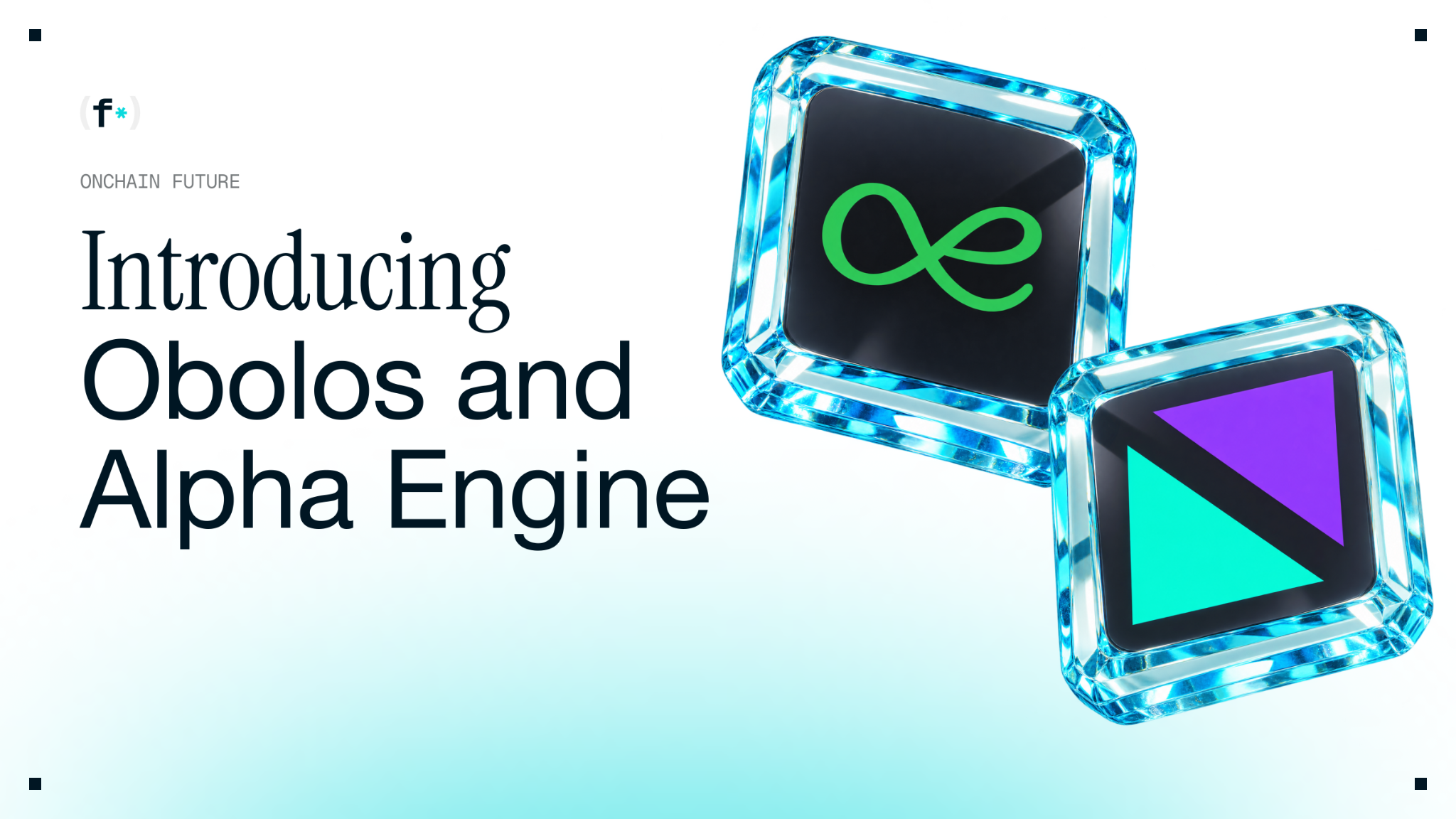
- → **Obolos:** Compliance infrastructure for the programmable economy, bringing equity, options and fundraises onchain with built-in KYC, accreditation and transfer restrictions.
- → **Alpha Engine:** Enabling traders and AI agents to submit and evaluate private strategies without exposing their alpha.
Both teams completed technical and security reviews with Fhenix ahead of launch.
These initial integrations demonstrate how confidential computation can expand the range of applications supported by the Arbitrum ecosystem, from private interactions across assets and applications to confidential strategies for onchain finance.
Audited by Consensys Diligence
Consensys Diligence audited the system ahead of launch.
"Reviewing a system built this way is a genuinely interesting exercise. The familiar questions still apply, but a second set sits behind them, about what a contract is able to know at each step and what it can do with an answer it cannot read," said Consensys Diligence. "An entire market can clear on numbers nobody has ever seen, the contract running it included, and the outcome is still correct and still checkable by anyone. The category of application waiting on the other side simply was not available before. We are looking forward to seeing where teams take this."
A programmable economy with programmable privacy
“Confidentiality is one of the biggest barriers between institutions and public blockchains. They need to keep positions and strategies private, and until now that meant giving up the composability that makes onchain markets worth using,” said Steven Goldfeder, co-founder and CEO of Offchain Labs. “Fhenix lets Arbitrum builders offer both. We’ve backed this team from early on, and seeing it run in production on Arbitrum is a real milestone for the ecosystem.”
"When I started Fhenix three years ago, I couldn't have imagined how far it would take us," said Guy Zyskind, founder of Fhenix. "CoFHE is now live on Ethereum and Arbitrum mainnet, with competitive performance and a UX that's simple for any builder who wants privacy in their dApp. I'm excited for what's next, and as you may have heard, we're working on a confidential stablecoin together with Tandem. Stay tuned."
Start with Genesis
Shield, hold, and send encrypted assets with Genesis, your gateway to confidential onchain finance. Same onchain experience. More control over what stays private.
Try it at genesis.fhenix.io.
What's next
With CoFHE now live on Arbitrum, confidentiality becomes available to developers building on the network, creating new opportunities for onchain assets, payments, stablecoins, and tokenized real-world assets.

Fhenix has several upcoming milestones:
- Three more dApps are set to launch on CoFHE in Q4.
- Fhenix will announce two strategic partnerships with institutions in the coming weeks.
- The team is taking part in the Colosseum hackathon to explore demand for confidential applications on Solana.
CoFHE mainnet starts as a partner mainnet, so deploys aren't open to everyone just yet. New dApps are reviewed by the Fhenix team and need a live, active social presence before they're whitelisted. In the meantime, testnets are open on Ethereum Sepolia, Arbitrum Sepolia and Base Sepolia, running the same FHE.sol library and @cofhe/sdk, so anything built there is ready to move when access opens up.
Building on CoFHE? Start with the CoFHE docs and bring your questions to the CoFHE dev Telegram.
As onchain finance continues to expand, the ability to keep sensitive financial information confidential while maintaining composability will be increasingly important.
With Fhenix mainnet live, Arbitrum gains the infrastructure to support these applications without requiring assets and liquidity to move into separate privacy ecosystems.
A programmable economy with programmable privacy, fully composable for the end user.


